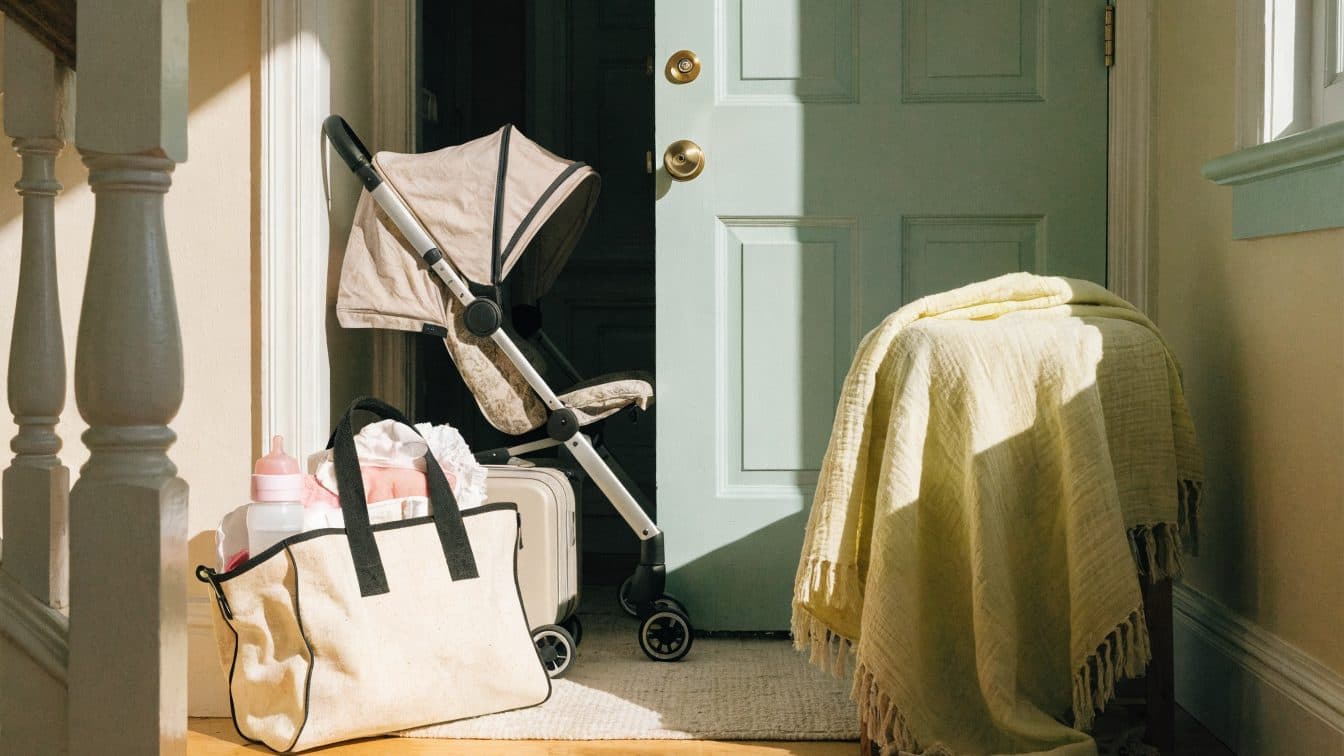
The golden rule: pack by the end of week 35 — labor doesn't send invitations. And make it two small bags (yours and baby's) instead of one giant bag you'll drown in at the moment.
Documents (most important!)
- ID and insurance card
- Pregnancy file/follow-up reports and blood tests
- Birth plan if you have one
Your bag
- Front-opening nursing gown + light robe
- Comfy cotton underwear (and large postpartum pads)
- Comfortable slippers + warm socks
- Toiletries: brush, toothpaste, lip balm (hospital air is dry), hair ties
- Phone charger with a LONG cable — the bed is always far from the socket!
- Light snacks and water
Baby's bag 👶
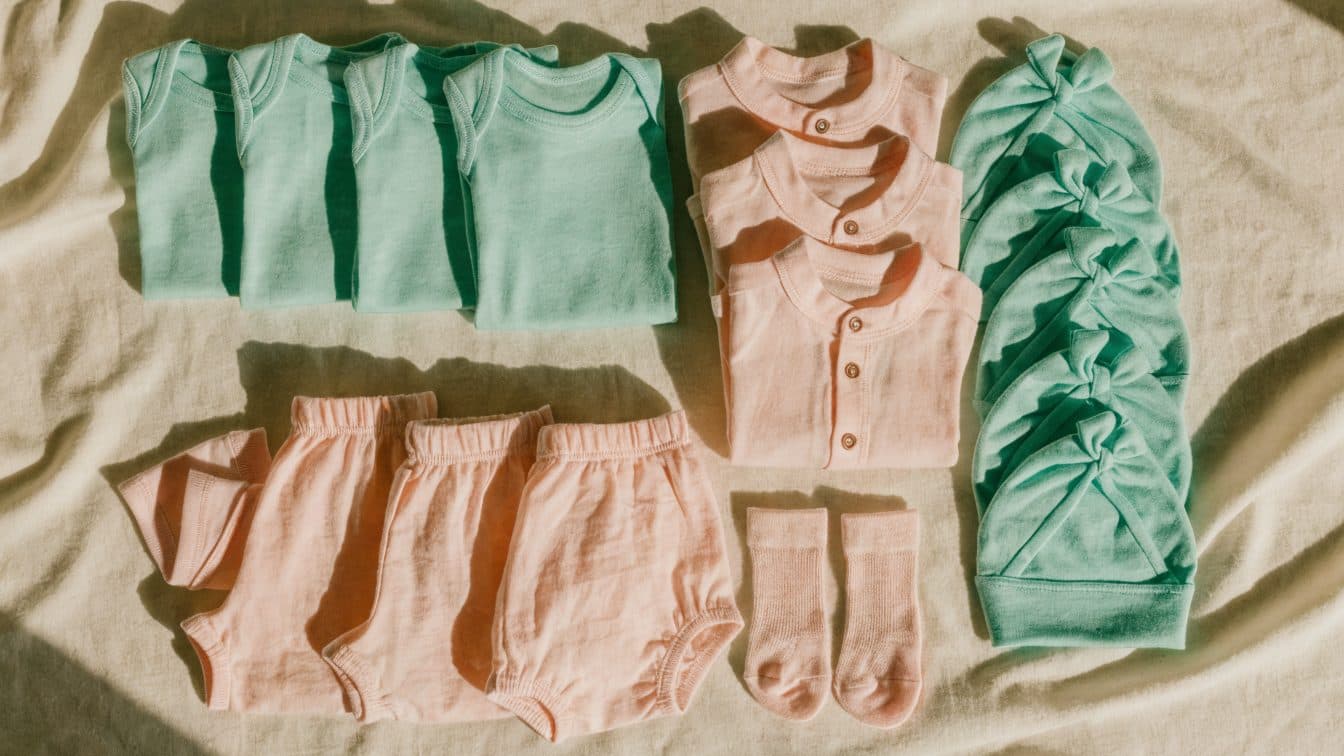
- Clothes: 3 newborn onesies + one size-up piece just in case (newborns vary!)
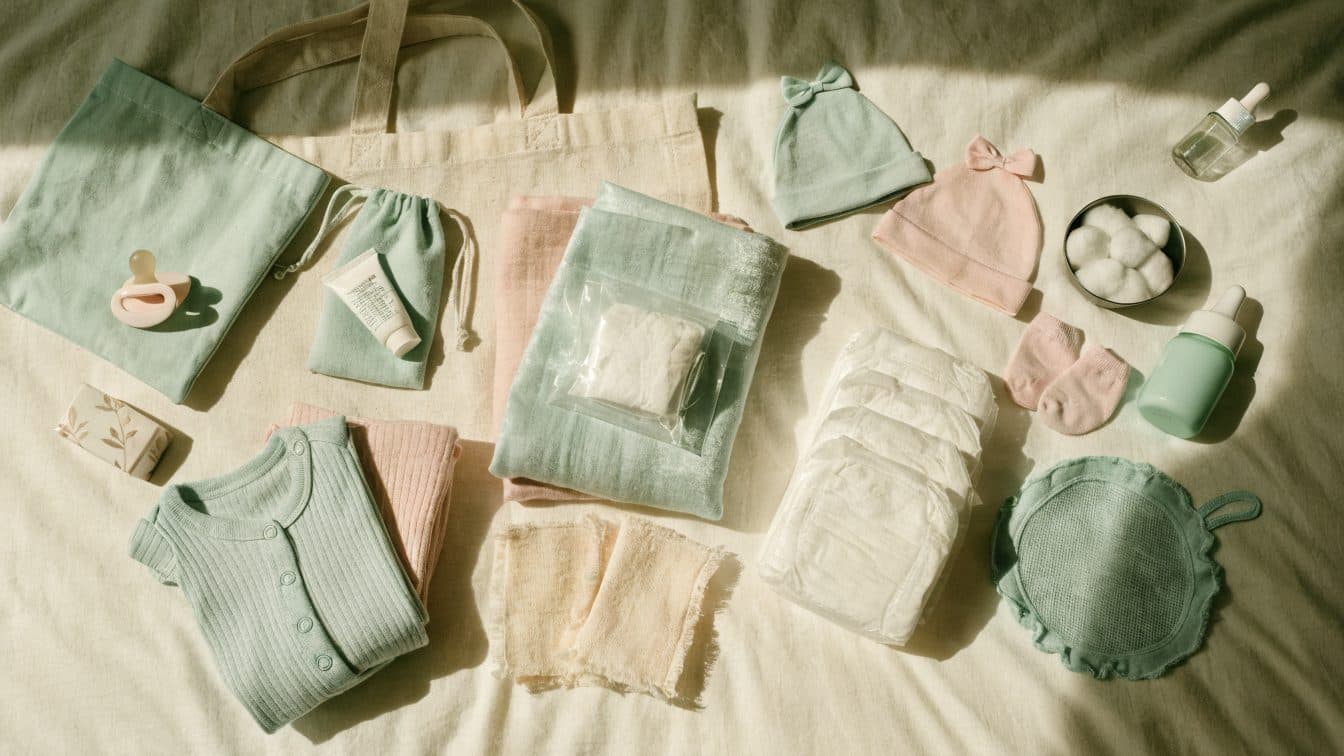
- Soft hats: stretchy turban hats keep the head warm the first days
- Swaddles: two cotton swaddle blankets — one gets dirty, one's ready
- A large muslin blanket for covering and shade on the ride home
- Burp cloths — needed from the first feed
- Newborn diapers (small pack — hospitals usually provide) + scented diaper bags
- Gentle wipes and diaper cream
- Going-home outfit: the piece for the first photo 📸
An organizing touch that helps
Try a baby essentials caddy inside the bag or for the car ride home — every changing item in one grab-and-go tray instead of digging in the bag's bottom.
💛 Many list items from Mumzworld? Code Life9 saves you at checkout.
Common packing mistakes
- One huge bag — two small labeled bags win.
- Newborn-size only — some babies arrive a size bigger.
- Forgetting the phone charger — the most borrowed item in maternity wards 😄
- Postponing to "next week" — next week might be in the delivery room.
FAQ
When should I pack? Start week 32–34, finish by end of 35. Keep it by the door or in the car.
How many days do I pack for? Vaginal birth usually 1–2 nights, C-section 3–4. Pack for three and rest easy.
Should I bring a feeding pillow? If you have an anti-reflux pillow or nursing pillow you love, most hospitals don't mind — just ask the maternity ward beforehand.
⚕️ Note: This content is general education and doesn't replace your pediatrician's advice. Every child is different.