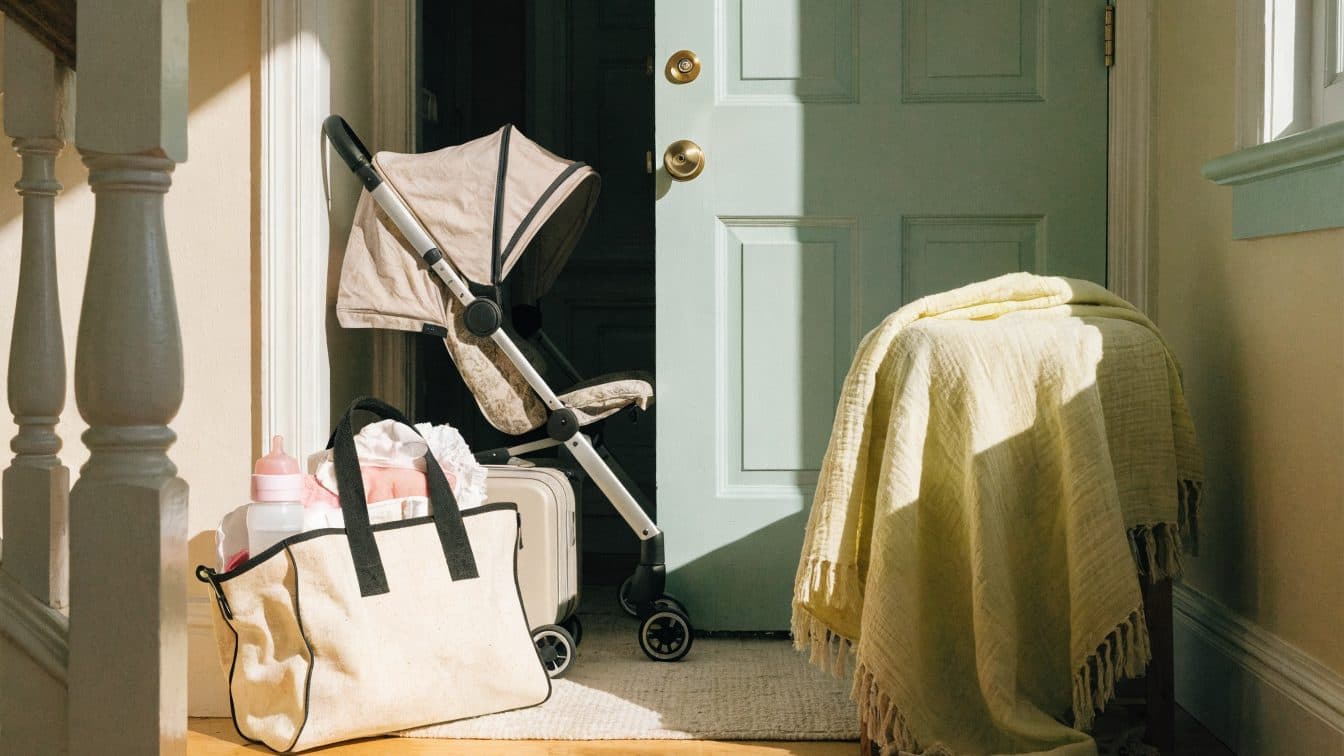
The stroller is one of the priciest, most-used baby purchases — and the one parents regret most when chosen on looks alone. Here's a practical way to choose.
First: where will you use it most?
This question decides the type: - Malls and smooth pavements → a lightweight stroller (5–7 kg) with easy one-hand fold. - Lots of car trips → a travel system (stroller + clicking car seat) saves transferring a sleeping baby. - Uneven ground/daily walks → big wheels and solid suspension. - Newborns → needs a fully flat 180° recline or carrycot; near-upright newborn seating isn't safe for breathing.
7 checks before you pay
- The fold: try it yourself, one-handed, holding a bag — that's your future reality.
- Weight: can you lift it into the trunk alone?
- Harness: five-point is non-negotiable.
- Brakes: one foot press locks both wheels.
- Shade: a genuinely wide canopy — our sun is merciless.
- Basket: fits a full outing's stuff?
- Dimensions: fits your trunk? (Measure first!)
Low-cost comfort upgrades
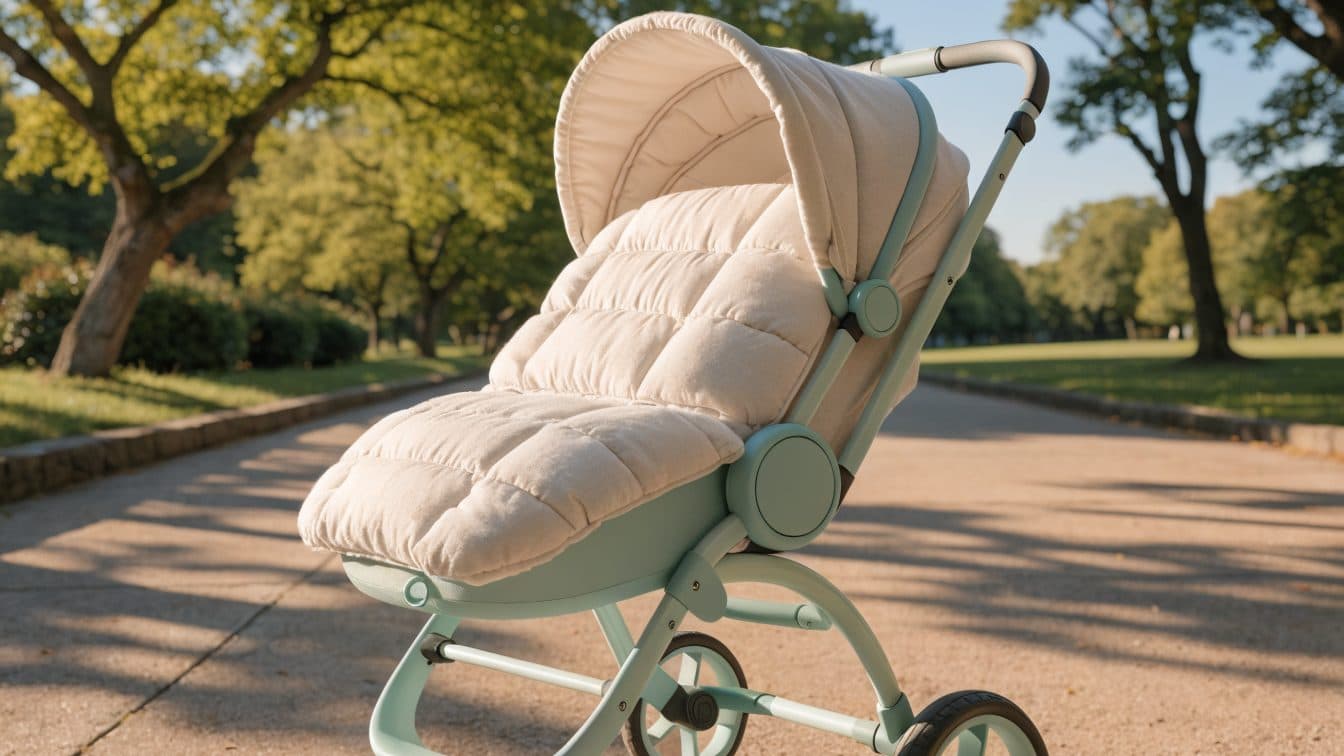
- A reversible cotton stroller pad: comforts the back and protects the stroller fabric from sweat and stains — and washes easily instead of washing the whole stroller.
- A hanging plush toy with bell: entertains and builds visual tracking on rides.
- A muslin blanket: breathable light cover, and extra shade when needed (always leave an air gap).
When is the expensive stroller wasteful?
If your use is a mall twice a week, an excellent lightweight at a third of the price does the whole job. Premium strollers earn their price only for daily walkers on varied terrain. Buy for your real use, not an imagined scenario.
FAQ
From what age can baby sit upright in the stroller? When head control is solid and sitting needs minimal support — usually around 6 months. Before that: full recline or carrycot.
Is a double stroller a must for two close-in-age kids? Not always — cheaper solutions exist, like a standing board for the older child on the younger's stroller.
How do I clean the stroller? Removable fabric: cold machine wash. Non-removable: brush + mild soapy water. A washable pad from day one saves you 90% of that struggle.
⚕️ Note: This content is general education and doesn't replace your pediatrician's advice. Every child is different.