- 1Part 1New Mom's First 40 Days: A Gentle Day-by-Day GuideYou are here
- 2Part 2Baby Milestones from 0 to 3 Months: What to Expect
- 3Part 3When Do Babies Start Sitting? The Age and Signs to Know
- 4Part 4When Do Babies Start Eating? A Guide to Starting Solids at 6 Months
- 5Part 5When Do Babies Start Crawling? A Guide to Movement and Encouraging Your Baby
- 6Part 6Standing and First Steps: Your Baby's Journey to Walking
- 7Part 7Speech and Language Development: From Babbling to the First Word
- 8Part 8From One to Two Years: Your Child's Growth Toward Independence
Welcome, new mama 💚 I'm a mom too, and I remember my first forty days vividly: overwhelming joy, a tiredness like nothing before, and a thousand questions starting with "is this normal?". I wrote this guide to sit beside you — no fear-mongering, no impossible perfect-mom checklists. Just what truly matters.
This is the first article in our birth to two years series — bookmark the site and come back at every stage.
First: you — before everything
In all the fuss over the newborn we forget that a mother is newly born too. Your body has been through a major event, whether your birth was vaginal or a C-section.
Your body needs time
Postpartum bleeding is normal and gradually decreases over weeks. Back and pelvic aches and mood swings in the first days are common. What's not normal: sudden heavy bleeding, fever above 38°C, severe pain that doesn't improve, or a deep persistent sadness that stops you caring for yourself or your baby — these need a call to your doctor right away.
Ask for help without guilt
Accepting help with cooking, cleaning and holding the baby isn't weakness — it's wisdom. Your only jobs right now: recover, feed your baby, and sleep whenever you can.
Feeding: breast or formula — your baby will thrive
Breastfeeding is ideal nutrition and recommended by the WHO, but it's also a skill that takes practice for both of you. Hard first days don't mean you're failing.
- Newborns usually feed every 2–3 hours (8–12 feeds a day).
- Signs baby is getting enough: lets go of the breast on their own, relaxed body, and 6+ wet diapers a day after day five.
- If you choose formula or mixed feeding for any reason — your baby will grow and bond with you just as strongly. Your call.
If feeding hurts persistently or you feel baby isn't satisfied, see a lactation consultant or your pediatrician early — most problems have simple fixes when caught soon.
Newborn sleep: a lot… in pieces
Newborns sleep 14–17 hours a day, but in short stretches around the clock — so don't measure yourself against any "sleep schedule" at this age. Longer stretches come later, and every baby is different.
Safe sleep rules (very important)
- Baby always sleeps on their back.
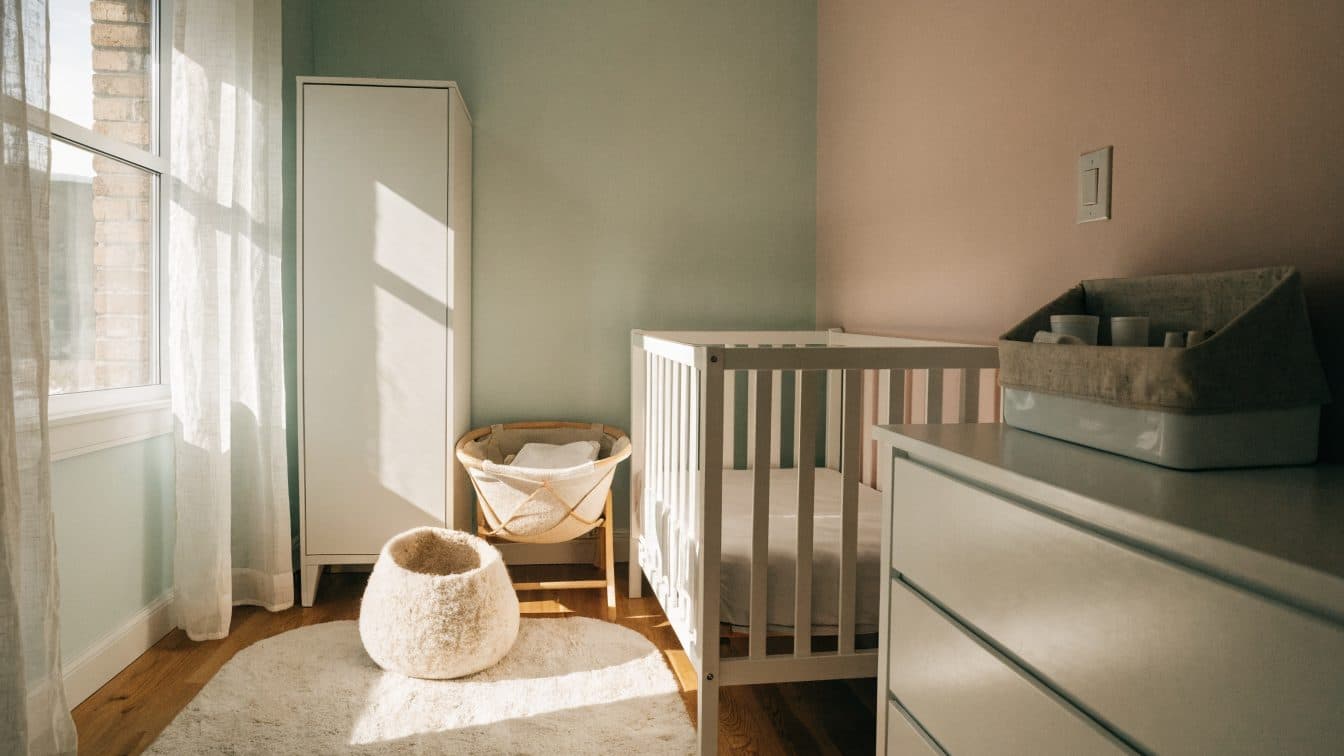
- On a firm flat surface, in their own crib or bassinet next to your bed — not in your bed.
- No pillows, loose blankets or toys inside the crib.
- A comfortably cool room, no overheating.
Your baby's weight: what's normal?
It's normal for newborns to lose up to 10% of their birth weight in the first days, then regain it within about two weeks. After that they typically gain 150–200g a week in the early months. Your pediatrician tracks this at checkups — the exact numbers are their job, not your daily worry.
Crying and cuddles: you cannot spoil a newborn
Crying is your baby's only language: hunger, diaper, sleepiness, colic, or simply wanting your arms. The science is clear: holding and cuddling a newborn never spoils them — it builds their sense of safety. Crying usually peaks around week six, then eases.
If endless crying pushes you to the edge: place baby safely in the crib, leave the room, and breathe for a few minutes. That's a wise mother, not a failing one.
When to call the doctor immediately
- Fever of 38°C or higher in a baby under 3 months
- Refusing several feeds in a row, or marked lethargy
- Difficulty breathing or bluish lips
- Fewer than 6 wet diapers a day after day five
- Deepening yellow tint in skin or eyes
- An unusual-sounding cry that won't settle at all
The first six weeks at a glance
| Period | Your baby | You |
|---|---|---|
| Weeks 1–2 | Frequent feeds, broken sleep, small weight dip then regain | Postpartum bleeding, deep tiredness — sleep when baby sleeps |
| Weeks 3–4 | Starts focusing on your face, evening crying increases | Body healing gradually — short walks at home |
| Weeks 5–6 | Often the first real smile; crying peaks then eases | Your postpartum checkup — don't skip it |
Products that may help at this stage 🛍️
Personally tested or carefully chosen — all from stores that ship to Saudi Arabia and the Gulf:
- Sunveno anti-reflux pillow — keeps baby's head at a safe angle after feeds.
- Bumble & Bird bedside bassinet — attaches to your bed for night feeds without fully getting up.
- Momcozy M5 hands-free pump — a lifesaver for building a milk stash or relieving engorgement.
- WaterWipes — 99% water, gentle enough for newborn skin from day one.
- Albero Mio changing mat — wipes clean through the never-ending diaper changes.
- NoseFrida nasal aspirator — for the blocked nose that keeps baby from feeding comfortably.
💛 Use code Life9 at Mumzworld for an extra discount — all my updated codes live on the discount codes page.
FAQ
Should I wake my baby to feed?
In the first weeks, before birth weight is regained: usually yes, if they sleep past 3–4 hours. Once weight is back and your doctor agrees, you can let them sleep.
When can I shower, use incense (bakhoor), and receive visitors?
Your own shower is fine from day one. As for bakhoor — however lovely it smells, smoke of any kind irritates a newborn's sensitive lungs; avoid burning it in the room where your baby is, and if you want to scent the house, do it in another room away from them, airing it well before baby returns. Frequent visitors and kissing are best postponed for the first weeks — newborn immunity is fragile, and it's okay to say no.
My baby grunts and startles in their sleep — normal?
Grunts, gasps and sudden jerky movements during sleep are very common in newborns. Not normal: clear pauses in breathing, blueness, or ongoing labored breathing.
Is the "forty days" rule real? Can I go out after?
The forty days is a lovely social tradition that grants you recovery time — not a strict medical rule. Go out when you feel ready, and avoid crowded places for the first couple of months.
---
⚕️ Note: This content is educational only and is not a substitute for medical advice. Every child is different — if you have any concern about your health or your baby's growth, see your pediatrician.
Next in the series: Baby milestones from birth to 3 months — what to expect (coming soon 💚)